
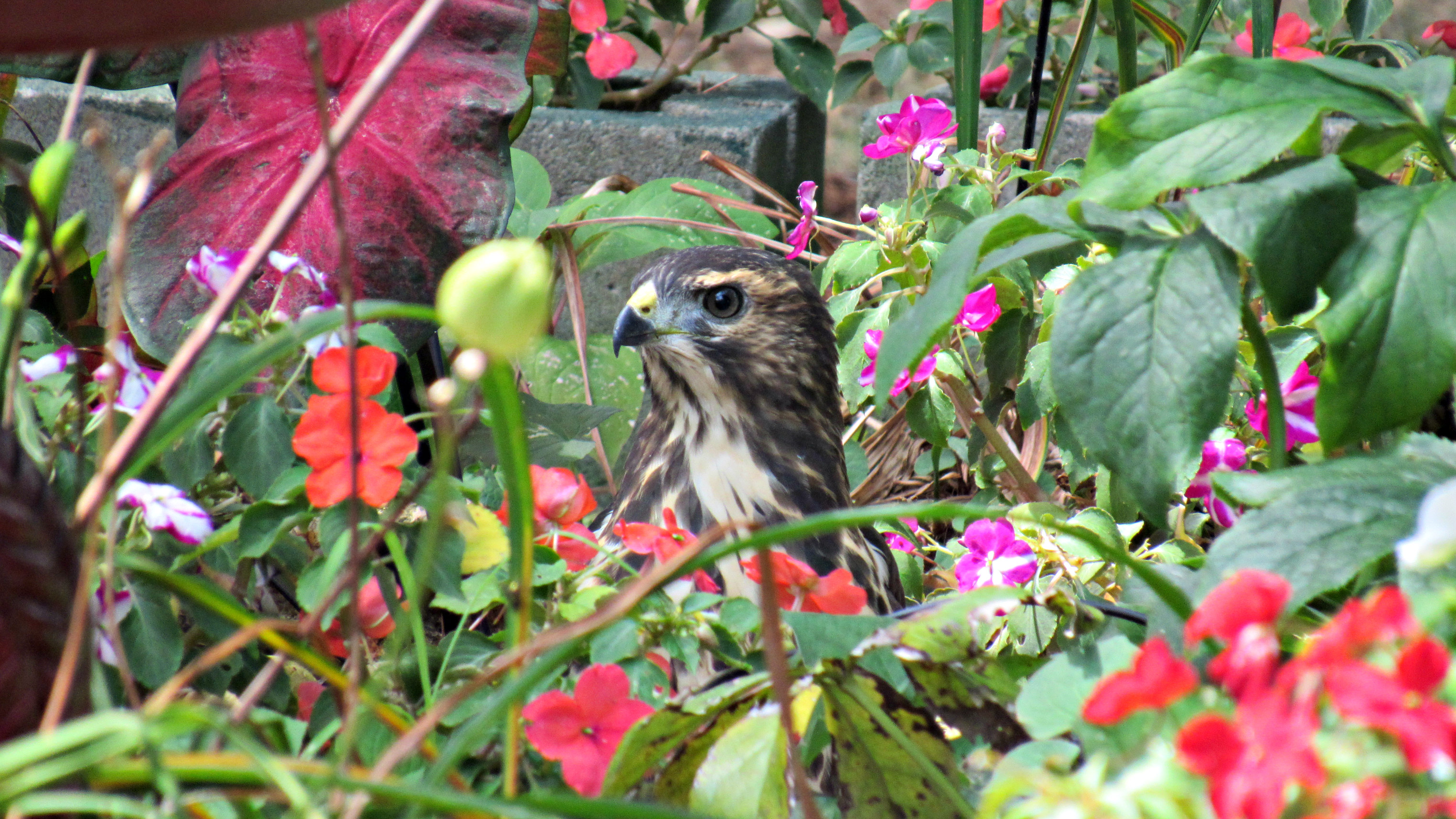
Discovering the Broad-Winged Hawk: A Backyard Birdwatcher’s Guide
Every neighborhood has that one guest who tends to make everyone a bit uneasy—often showing up uninvited and drawing a lot of attention. In the world of birds, the Broad-Winged Hawk is that guest. If you’re a backyard birdwatcher in Chattanooga, you might have recently seen this sleek, agile predator make an appearance in your yard. The Broad-Winged Hawk (Buteo platypterus) is a striking bird of prey that sometimes ventures into our suburban and rural landscapes. Known for its impressive hunting skills and beautiful plumage, this hawk is both fascinating to observe and a reminder of nature’s intricate balance.
Appearance
The Broad-Winged Hawk is a medium-sized raptor, measuring around 13 to 17 inches in body length, with a tail length of 5 to 8 inches, and a wingspan ranging from 29 to 39 inches. Its plumage is a striking blend of dark brown and white. Adults are particularly notable for their broad wings with pointed tips and short, wide tails, which give the bird its name.
Juveniles, in contrast, have a more mottled appearance with a mix of brown and white feathers, and their underparts are less vibrant. Both juvenile and adult Broad-Winged Hawks have a dark, banded tail that becomes more pronounced as they mature. Their broad wings are well-adapted for maneuvering through dense forests and open spaces, aiding in their hunting and flying abilities.

Feeding Habits
Broad-Winged Hawks primarily inhabit forested areas, preferring environments with dense canopy cover where they can hunt effectively. Their diet consists mainly of small to medium-sized prey, including rodents, small birds, reptiles, and insects. They are especially adept at hunting during migration periods when they need to replenish their energy reserves.
In your backyard, these hawks might be attracted by the presence of smaller birds at feeders or in birdbaths. Broad-Winged Hawks have keen eyesight that allows them to spot potential prey from high perches in trees or while soaring overhead. Their hunting strategy involves patience and precision, as they often wait for the perfect moment to swoop down and capture their target.

Behavior and Habitat
Broad-Winged Hawks are migratory, breeding in North America during the summer and traveling to Central and South America for the winter. In spring and fall, you might spot them passing through Chattanooga on their migratory routes. They are known for their distinctive calls—a series of sharp, high-pitched whistles used for communication.
During the breeding season, Broad-Winged Hawks build their nests high in trees, typically in deciduous forests. These nests are large structures made of sticks and lined with softer materials. The female may lay 1 to 5 eggs, which she incubates for about a month while the male provides food. Once the chicks hatch, both parents are involved in feeding and protecting them until they are ready to fledge.

Protecting Your Backyard Birds
If you’ve seen a Broad-Winged Hawk in your yard, you might be concerned about its impact on the smaller birds visiting your feeders and birdbaths. Or, in our case, Bobbi Jo’s swimming pool. While it’s natural to feel uneasy about the presence of a predator, it’s important to remember that these hawks play a crucial role in maintaining ecological balance.
To help protect your backyard birds from predators like the Broad-Winged Hawk, consider the following tips:
- Provide Cover: Install dense shrubs or small trees around your feeders and birdbaths. This gives smaller birds a quick escape route if they spot a hawk approaching.
- Strategic Placement: Position your feeders and birdbaths near cover but not too close. This ensures that birds have a safe place to hide while still being visible enough to enjoy your offerings.
- Use Birdhouses: Birdhouses with small entrance holes can offer additional shelter. Birds can quickly dart into these houses if they sense danger from a hawk.
- Limit Feeding Times: During peak hawk activity times, such as early mornings or late afternoons, consider reducing the time your feeders are active. This can help minimize the attraction of hungry predators.
- Observe and Adapt: Pay attention to hawk patterns and adjust your feeding and birdbath habits accordingly. If a particular hawk frequents your yard, you might temporarily remove feeders to avoid drawing it in.
Incorporating these measures will help maintain a balanced and harmonious backyard environment. Observing the interaction between predators and prey can be a fascinating aspect of birdwatching, and understanding the role of each participant enhances your appreciation of nature. As you observe their habits you will notice how the smaller birds act as a community in the face of adversity. In our backyard, the blue jays sound a call when the hawk is spotted, and the rest of the birds heed its warning. They fly to safer areas until this predatory bird leaves the yard.

Conclusion
The Broad-Winged Hawk is a remarkable species, offering a window into the complex dynamics of our local ecosystems. While its presence in your yard might initially be alarming, these hawks are an essential part of the natural world, helping to keep populations of smaller animals in check. By taking a few simple steps, you can continue to enjoy the diverse array of birds visiting your backyard while also appreciating these magnificent raptors.
Happy birdwatching, and may your backyard be filled with a vibrant and diverse array of avian visitors!
Leave a Reply